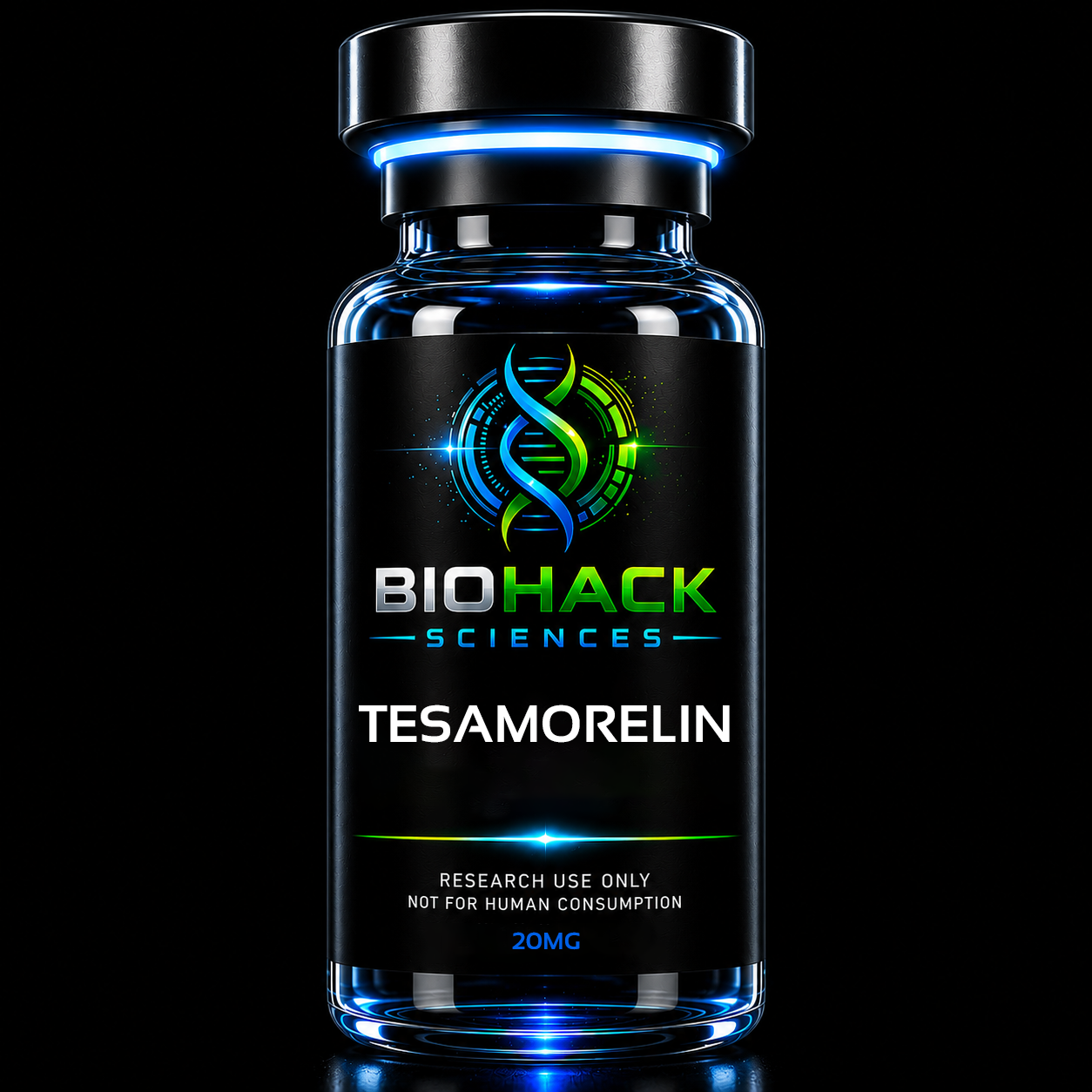
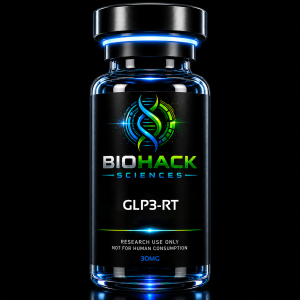
Tesamorelin is a synthetic modified peptide supplied in lyophilized form for qualified laboratory and analytical research environments. This Tesamorelin research peptide is intended exclusively for controlled in vitro investigation involving peptide-receptor interactions, molecular signaling assays, structural characterization, and comparative peptide analysis. Its defined sequence and terminal modification make it suitable for analytical studies examining peptide stability and receptor-associated experimental systems. This material is supplied strictly for research use only and is not intended for human or veterinary administration, clinical use, diagnosis, treatment, or therapeutic application.
Product Designation Note:
Tesamorelin is an established scientific and pharmaceutical compound name. Research material supplied under this designation is intended solely for laboratory investigation and is not represented as the FDA-approved finished drug product, prescription medication, or substitute for any commercially authorized pharmaceutical formulation.
Research Applications:
In controlled non-human laboratory environments, Tesamorelin may be utilized for investigation of:
- In vitro peptide interaction studies involving growth hormone-releasing hormone receptor systems
- Comparative evaluation of modified peptide structure and receptor-binding characteristics
- Structural integrity, degradation kinetics, and peptide stability analysis
- Analytical assay development and molecular characterization under defined experimental conditions
All applications are restricted to non-clinical, non-human, laboratory-based research systems.
Storage and Handling:
- Store lyophilized research material at approximately -20°C under controlled laboratory conditions.
- Following laboratory reconstitution, maintain at 2-8°C according to validated experimental procedures.
- Minimize unnecessary temperature fluctuations and repeated freeze-thaw exposure.
- Use appropriate aseptic laboratory practices and protect the material from moisture, contamination, and excessive light.
Product Specifications:
- Purity: ≥99% when verified by the applicable HPLC analytical report or Certificate of Analysis
- Appearance: Lyophilized white to off-white powder
- Solubility: Soluble in suitable laboratory-grade solvents or buffers according to experimental requirements
Compliance Notice:
Tesamorelin supplied as a research material is FOR RESEARCH USE ONLY and is intended exclusively for in vitro, analytical, biochemical, and controlled laboratory investigation. Although tesamorelin is also associated with an FDA-approved prescription drug formulation, the research material described here is not represented as that approved finished pharmaceutical product and must not be used or marketed as a substitute for it. It is not intended for human or veterinary administration, clinical use, diagnosis, treatment, cure, prevention, or mitigation of any disease or condition. No therapeutic, performance, body-composition, or health-related claims are made for this research material. Buyers are responsible for ensuring that acquisition, possession, storage, handling, and laboratory use comply with all applicable federal, state, and local requirements.